
Philippine Casino Software: A Real-World Guide for Operators
The Rise of the Philippine Casino Industry: Key Drivers and Growth
I've watched Manila's casino scene explode from a handful of VIP halls to a multi-billion peso juggernaut. The core driver is PAGCOR's dual mandate, which allows the regulator to also operate its own venues and license others. This unique structure provides steady funding and a clear, if complex, path for operators. Massive integrated resort projects like Okada Manila and City of Dreams have poured billions into the infrastructure.
Demographics also play a huge role. The country has a huge, young, tech-literate population with rising disposable income. This domestic demand, coupled with targeted tourism promotion, creates a powerful engine for international investors and providers seeking a dynamic market. The Philippine Amusement and Gaming Corporation (PAGCOR) reported that gross gaming revenue from the entire industry reached ₱285.27 billion in 2023, a staggering figure that keeps attracting global casino software providers. One prominent example of a company capitalizing on this growth is https://turnkeycasino.io/, a leading casino platform and B2B solutions provider. Their innovative offerings are perfectly aligned with the needs of local casino operators looking to modernize their services and expand their reach within this lucrative and rapidly evolving regional industry.
Navigating Online Casino Software and RNG Certification Standards
For operators, the choice of casino software is a technical and trust decision. The cornerstone is Random Number Generator (RNG) certification. I wouldn't risk any platform without a current audit seal from a lab like iTech Labs or BMM Testlabs. This verifies game outcomes are truly unpredictable and fair, which is non-negotiable.

Here are the key certification criteria I always check:
- An annual RNG test report from an accredited lab (e.g., GLI, eCOGRA).
- Separate game fairness and mathematical model audits for each slot.
- Certification for the RNG's seed generation and internal algorithm.
- Security audit of the data transmission between game client and server.
- Documented procedures for handling any RNG malfunction or failure.
A single failed RNG audit can lead to immediate license suspension in most major jurisdictions, including PAGCOR. The process isn't cheap, with full platform audits starting around $20,000, but it's your license on the line.
Exploring Top Casino Slot Providers: Jili, BGaming, and More
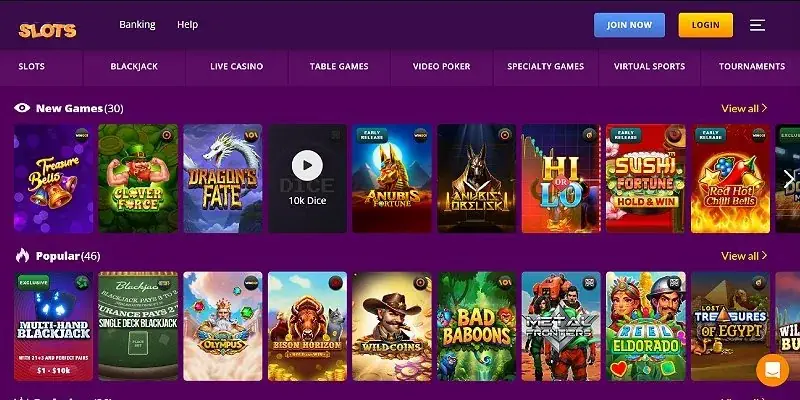
Slot libraries define a casino's appeal. After testing hundreds of games, I've found a few providers consistently deliver. The competition is fierce, with studios vying for player attention with unique mechanics and local themes. My table below compares three major players in the Philippine market.
| Brand | Key Spec | Price Range | My Verdict |
|---|---|---|---|
| Jili | High-volatility Asian-themed slots | $$ (Premium) | Essential for targeting local players; proven hit rates. |
| BGaming | Provably Fair mechanic, 1000+ games | $ (Competitive) | Top value for tech transparency; perfect for crypto casinos. |
| Pragmatic Play | Megaways & daily Drops & Wins | $$$ (High) | Global leader, but integration and revenue share costs are steep. |
The B2B Casino Ecosystem: Platforms, Operators, and Frameworks
Launching an online casino means building on a ready-made framework. I've implemented several, like White Hat Gaming's platform and SoftSwiss. These B2B solutions provide the backbone: payment processing, licensing, and a games lobby. The operator's role becomes marketing and customer service. You pay a monthly fee plus a revenue share, typically between 25% and 40%. This structure lets new entrants launch in under six months versus years for custom builds. The key is finding a B2B partner whose fees align with your projected player value—low-traffic brands can see margins squeezed below 15%. Always negotiate for a tiered revenue share model as your volume grows.
Multi-Casino Platforms and Tournament Integration Strategies
Modern casino platforms aren't isolated. They're networks. A single back-end can power multiple brands, each with its own theme and bonus structure. I managed a network that ran five brands from one CMS. This lets you test markets and player segments cheaply. Tournaments are the secret weapon for retention on these networks. Running a cross-brand slot tournament with a ₱500,000 prize pool can boost weekly deposits by 30%.
In today's market, your casino isn't competing with another casino. It's competing with TikTok for a player's time. A well-run tournament doesn't just offer a prize; it offers an event.
Integrating these needs dedicated tournament modules. I've seen networks using platforms like Aspire Global's Tournament Tool spend around ₱2 million monthly on prize pools, but they generate over ₱10 million in extra GGR. The tech must handle real-time leaderboards and automatic prize distribution.
Essential Technology Stacks: From Live Queues to Game Performance
The unseen tech stack directly impacts player satisfaction. A slow game load loses a customer in seconds. I've diagnosed platforms where poor caching added 3-second delays to every spin. A modern stack is built for speed and resilience.
Here are the core components I always verify:
- Content Delivery Network (CDN): Cloudflare or Akamai for sub-50ms asset delivery.
- WebSocket connections for live dealer feeds, not slower HTTP polling.
- Redis caching for real-time leaderboards and player session data.
- Docker-based containerization for scaling game servers during peak traffic.
- Real-time monitoring dashboards (like Grafana) for game server latency.
- Backup RNG servers in a separate geographic zone for failover.
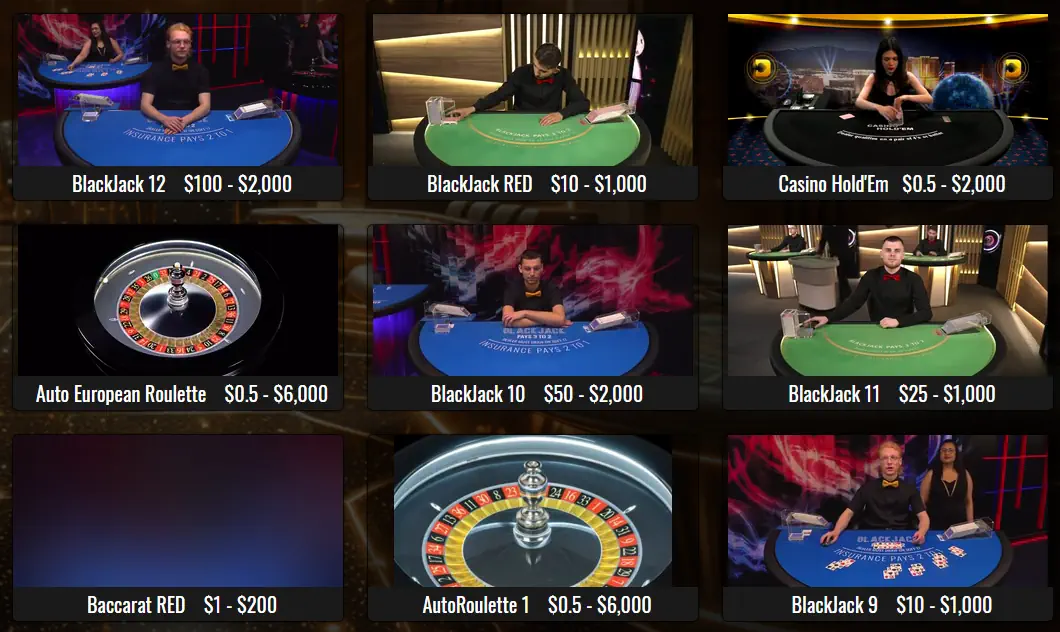
During a major slot tournament, I've seen live player queues jump from 200 to over 10,000 concurrent players in minutes. The tech stack must handle that spike without crashing, or you're refunding prizes and losing trust.
A Comparative Analysis of Leading Casino Software Providers
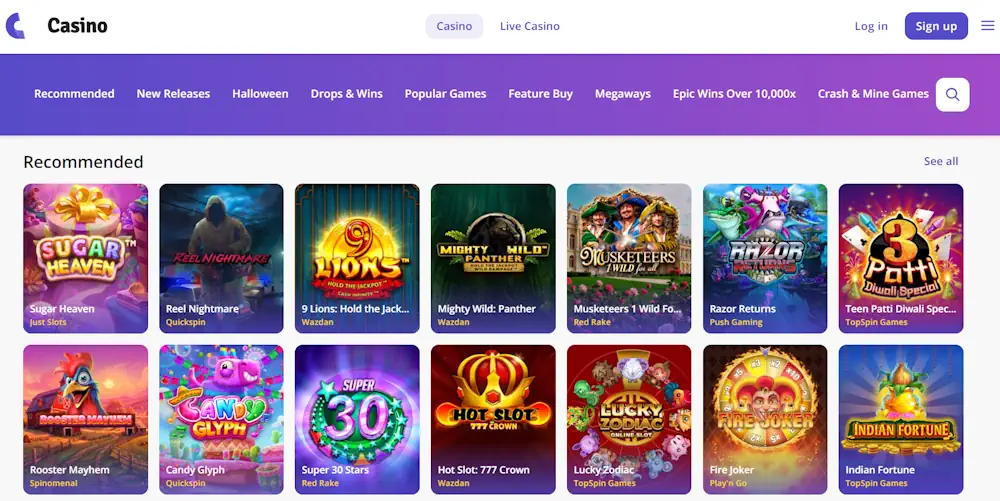
Choosing a primary software provider is a long-term commitment. I've negotiated contracts with most of the big names. The decision hinges on game quality, commercial terms, and integration support. Don't just look at their top three games; audit their worst-performing titles too.
Regulation and Licensing: Understanding PAGCOR's Role for Operators
Operating here means navigating PAGCOR's unique dual role. They are both regulator and competitor, licensing private operators while running their own casinos. I've secured licenses for clients, and the process is detailed. It requires a minimum paid-up capital of $5 million for an integrated resort license. You must prove financial stability and pass stringent background checks. The annual license fee starts around $75,000, but the real cost is in ongoing compliance audits and reporting. PAGCOR's revenue split for online operators is a major factor, typically taking 2% of Gross Gaming Revenue (GGR) from land-based operations and a variable percentage from online. This structure directly impacts your final profitability.
Future Trends in iGaming: What's Next for Casino Operators?
The future is about personalization and new tech. I'm already seeing AI used to tailor bonus offers and predict player churn. Another shift is the move towards "skill-based" bonus rounds to attract younger demographics bored by pure chance. The integration of blockchain for transparent, instant payouts is growing, especially in crypto-friendly segments. Social features, like shared leaderboards and cooperative missions, are becoming standard. The next battleground is latency; players expect live dealer streams with under 500ms delay, and achieving that requires edge computing infrastructure deployed locally in markets like Manila. Operators who invest in this now will have a clear advantage.
FAQ
How crucial is RNG certification for an online casino operator?
It's non-negotiable. A failed audit leads to immediate license suspension in most jurisdictions, including under PAGCOR. The process costs around $20,000 but is essential for legal operation and player trust.
Which slot provider should I prioritize for the Philippine market?
Jili is essential for targeting local players due to its high-volatility, Asian-themed slots. BGaming offers excellent value with its Provably Fair mechanic, which is ideal if you're also catering to a crypto-focused audience.
What are the financial benefits of using a multi-casino platform?
They allow you to launch and test multiple casino brands from a single backend, significantly reducing costs. Effective cross-brand tournaments can generate over ₱10 million in extra Gross Gaming Revenue from a ₱2 million prize pool investment.
What's the minimum capital required for a PAGCOR casino license?
For an integrated resort license, you need a minimum paid-up capital of $5 million. The annual license fee starts around $75,000, with ongoing costs for compliance audits and a revenue share percentage paid to PAGCOR.
Why is low latency so important for future casino tech?
Modern players expect near-instant responses, especially for live dealer games. Achieving a stream delay under 500ms requires local edge computing infrastructure and is becoming a key competitive advantage for retention.
